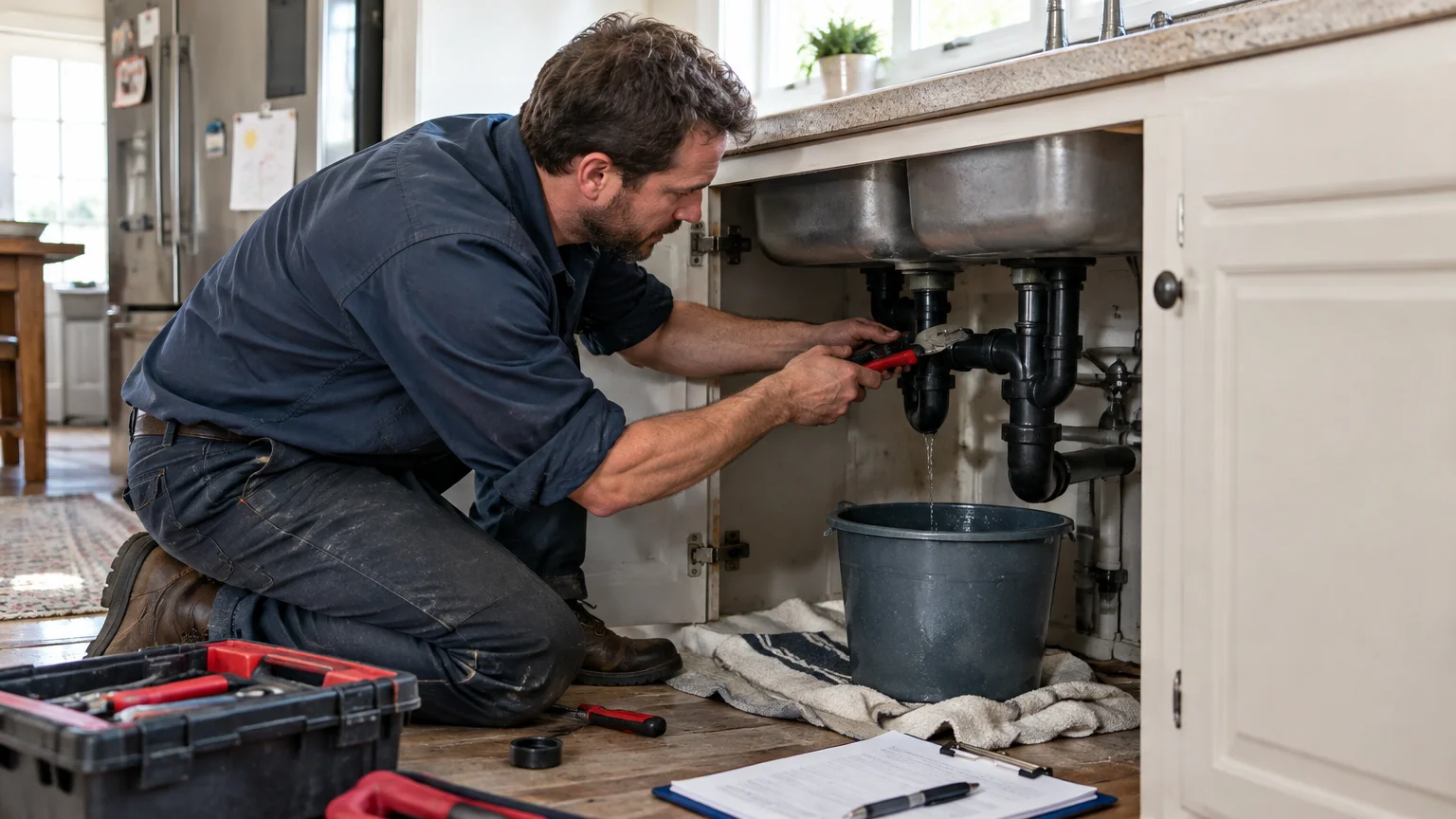
A business emergency plumbing plan helps staff protect people, stop water flow, and limit damage before help arrives. The first steps are to secure unsafe areas, close the right valve, protect equipment, and share clear details with a plumber. These actions can reduce harm and help guide faster emergency plumbing decisions.
A leaking pipe, blocked drain, or failed water heater can disrupt a store, office, rental property, or apartment building. Staff should not wait for water to spread before making a plan. Lancaster Plumber helps property owners prepare for urgent plumbing repair and respond when a serious problem occurs.
What should a business do first during a plumbing emergency?
The first step is to protect people and control the danger. Keep people away from wet floors, exposed wires, sewage, hot water, and weak walls or ceilings. A manager should lead the response while another person contacts the emergency plumber.
How to assess immediate risks to people, property, and operations
A quick safety check helps staff choose the next step. Look for running water, electrical dangers, slippery floors, sewage, gas smells, and damage near lifts, plant rooms, or ceiling spaces. If there is a gas smell, everyone should leave and contact the gas utility or emergency services. Staff should not touch switches or search for the leak.
A burst pipe can affect more than the room where it starts. Water may travel through walls, floors, ceilings, and service shafts. In a building with several units, lower floors and nearby tenant spaces may also be at risk. The building manager should check these areas only when it is safe.
If water reaches electrical equipment, staff should not touch the equipment or stand in water. A qualified person should handle the main electrical supply, and only when conditions are safe. The same rule applies to boilers, water heaters, pumps, and other plant equipment.
Which shutoff valves and building systems should staff identify
A shutoff valve controls water flow to a fixture, room, unit, or whole building. Staff should close the nearest safe valve when they know where it is. If the flow continues, the main building valve may need to be closed. Never force an old valve, since it may break and make the leak worse.
A response plan should mark the main water shutoff, fixture valves, sprinkler controls, water heaters, boilers, pumps, and drain access points. It should also show which systems must stay active for fire safety. Staff should not close a sprinkler control or other life-safety system unless the proper authority gives that order.
The owner or manager should keep the shutoff map where staff can find it during a power loss. New workers, tenants, and contractors should know who may operate each valve. Lancaster Plumber can give Lancaster property owners plumbing advice about leaks, burst pipes, warning signs, and other urgent concerns.
How can a business limit water damage before the plumber arrives?
A business can limit water damage by containing safe leaks, moving valuable items, and closing unsafe areas. Staff should only act when there is no risk from electricity, sewage, chemicals, hot water, or weak building materials. The goal is to reduce harm, not make a repair without training.
Steps for containing leaks, overflows, and blocked drains safely
After the water supply is controlled, staff can place a suitable container under a small clean-water leak. Absorbent materials may help keep water from spreading across a floor. Mark wet areas and keep visitors, tenants, and workers away from them.
Do not use an overflowing toilet or sink again. Staff should avoid chemical drain cleaners when a plumber has been called. These products may harm workers, damage pipes, and cause dangerous splashes during repair. A plunger may help with a simple fixture blockage if the business has a safe process, but staff should stop if the blockage does not clear soon.
A blocked commercial drain may involve grease, roots, damaged pipes, or a larger line serving many fixtures. Repeated plunging may not fix the real cause. Treat sewage as contaminated water. Keep people away, avoid contact, and follow the building’s cleaning and safety rules.
Do not open a ceiling, wall, or floor to find a hidden leak. A qualified professional should check the area first. Do not use fans or powered tools near standing water. The plumber may need leak detection, drain cleaning, pipe repair, or emergency plumbing service to find and fix the source.
What equipment, inventory, and sensitive areas need protection
When the area is safe, move portable stock, files, computers, tools, and electrical devices away from water. Do not walk through contaminated water to save an item. Shelves, pallets, and covers can keep goods off a wet floor, but covers must not hide the leak or create a trip risk.
Give extra care to server rooms, cash offices, medical areas, kitchens, food storage, retail displays, and lift equipment. Water near these spaces can affect business long after the visible leak stops. A manager should record damaged items and keep receipts or inventory records for the owner and insurer.
Ventilation may help a clean-water area dry, but only when electrical equipment is safe. Follow advice from the plumber, insurer, and qualified water-damage workers. When safe, take clear photos before moving large items. These photos may help show what happened.
What information should a business provide to an emergency plumber?
A business should share the location, type, timing, and size of the problem. Clear details help the plumber bring the right tools and plan safe access. Staff should not guess at the cause. They should explain what they saw and what changed.
Details to record about the plumbing problem and affected areas
The site contact should note when the problem began, whether water still flows, and which fixtures or rooms are affected. Other useful details include smells, sounds, pressure changes, repeated backups, discolored water, and recent repairs. The report should say whether the water looks clean, gray, or contaminated.
List any valves that were closed and say whether the water stopped. Identify affected floors, units, tenant spaces, restrooms, kitchens, storage rooms, and plant areas. If a water heater, boiler, pump, or gas appliance is involved, say so clearly.
A simple incident record may include:
- The time the issue was found and who reported it
- The rooms, fixtures, units, and floors affected
- Any valves or equipment that were turned off
- Visible damage to ceilings, walls, floors, stock, or equipment
- Access risks, security rules, parking limits, and building hours
This information gives the plumber a useful starting point. It also helps the manager explain the event to tenants, owners, insurers, and other workers. Good records show which steps were taken and when.
How photos, access instructions, and building plans support faster repairs
Photos can show the leak source, water path, damaged materials, valve position, and nearby equipment. Take them from a safe, dry place. Do not remove covers, enter crawl spaces, or approach electrical equipment for a better view.
The site contact should share access instructions before the plumber arrives. These may include a gate code shared safely, loading rules, keys, security contacts, tenant notices, and the building shutoff location. Tell the plumber if an escort is needed or if protective gear is required.
Building plans can help locate risers, supply lines, drains, plant rooms, cleanouts, and tenant shutoffs. Older plans may not match the current building. Point out recent additions or changes. A clear handover can help the plumber choose leak detection, pipe repair, drain cleaning, or water heater service.
How can businesses prepare for future plumbing emergencies?
Businesses can prepare by writing a short response plan, checking key systems, and training staff before trouble starts. The plan should match the property’s size, age, use, and number of occupants. It should cover small leaks and events that may close the site.
What a practical commercial plumbing response plan should include
A useful plan names the decision-maker, backup contact, approved plumber, building owner, insurer, utility contacts, and emergency services. It should explain who may close valves, enter plant rooms, and update tenants or customers. Review these details when staff, tenants, or service providers change.
The plan should include a valve map, equipment list, access steps, incident form, cleanup rules, and past repair records. It should show where staff can find wet-floor signs, absorbent materials, gloves, flashlights, and barriers. Check supplies from time to time and replace them after use.
A business should set clear limits for do-it-yourself work. Staff may report a leak, close a known fixture valve, place a warning sign, and move portable items when safe. They should not cut pipes, open walls, handle sewage, work on gas lines, or repair electrical systems. Gas line plumbing and major pipe repairs need qualified professionals.
How inspections, preventative maintenance, and staff training reduce disruption
Routine checks can find dripping valves, rusty pipes, slow drains, weak seals, low water pressure, and water stains. Focus on busy restrooms, kitchens, water heaters, pumps, roof drains, grease lines, and older pipe sections. The right schedule depends on the building and its plumbing system.
Staff training should include a short walk-through of shutoff valves and safe reporting steps. A drill can test how quickly the team closes an area, protects records, contacts the plumber, and informs occupants. Training should never ask unqualified staff to make dangerous repairs.
A property manager should review each incident after the repair. Ask what failed, how water moved, which actions worked, and what needs to change. Lancaster Plumber supports businesses across Lancaster, including Downtown Lancaster, Quartz Hill, Palmdale, Rosamond, Lake Los Angeles, Antelope Acres, and nearby communities. The team can offer help with emergency plumbing, leaks and burst pipes, water tanks, and other commercial plumbing needs.
Frequently Asked Questions
What should staff do if a pipe bursts in a commercial building?
Staff should move people away, watch for electrical dangers, and close the nearest safe water valve. They should contact the emergency plumber, record the damage, and protect movable items when safe. Staff should not enter contaminated water, force old valves, or repair pipes without training.
How can a business find a hidden plumbing leak?
A business can look for damp walls, stained ceilings, mold smells, unusual meter movement, low pressure, warm floors, or water sounds when fixtures are off. These signs do not prove the source. A plumber can use leak detection methods to trace hidden water with less damage.
Should a business use drain cleaner before the plumber arrives?
Chemical drain cleaner is usually a poor choice during a commercial plumbing emergency. It may not clear the cause and can create a burn or chemical exposure risk. The safer response is to stop using the fixture, keep people away, and report the blockage clearly.
How often should a business update its plumbing emergency plan?
Review the plan after every major incident and whenever the building, staff, tenants, equipment, or service providers change. A short routine review can confirm that shutoff maps, access details, emergency contacts, and supplies remain correct. Give staff fresh training when the plan changes.
Key takeaways
- Protect people first by closing unsafe areas and avoiding electrical or contaminated water.
- Stop water safely with a known shutoff valve, without forcing old equipment.
- Limit damage by moving stock and equipment only when conditions are safe.
- Give the plumber clear details about timing, location, water type, access, and shutoffs.
- Prepare ahead with valve maps, staff training, inspections, and a written response plan.
Conclusion
A business emergency plumbing plan gives staff a clear path during a stressful event. It helps protect people, reduce water damage, and give the plumber useful details before arrival. Regular checks and simple training can also reduce downtime at offices, shops, apartment buildings, and managed properties.
Find out more about our emergency plumbing in Lancaster. Contact us today to discuss emergency plumbing support for your property.