Water Tank
Tanks That Keep Water Pressure Steady
Lancaster Plumber works on the tanks that keep household water under control: expansion tanks beside water heaters, bladder tanks on private wells, and storage tanks holding backup or harvested rain. When one starts to fail you tend to notice pressure that spikes or sags, a well pump kicking on and off constantly, a relief valve that drips, or damp fittings, and none of these improve if ignored.
Los Angeles County Waterworks District 40 supplies about 234,000 people in Lancaster, Palmdale and nearby communities, while wells and storage tanks turn up mainly on lots beyond its mains. Either way, a tank has to be sized to the system, charged to the right air pressure and plumbed with proper valves. Tank repair and replacement is available throughout Lancaster, CA.
Tank work
Tank Jobs We Take On
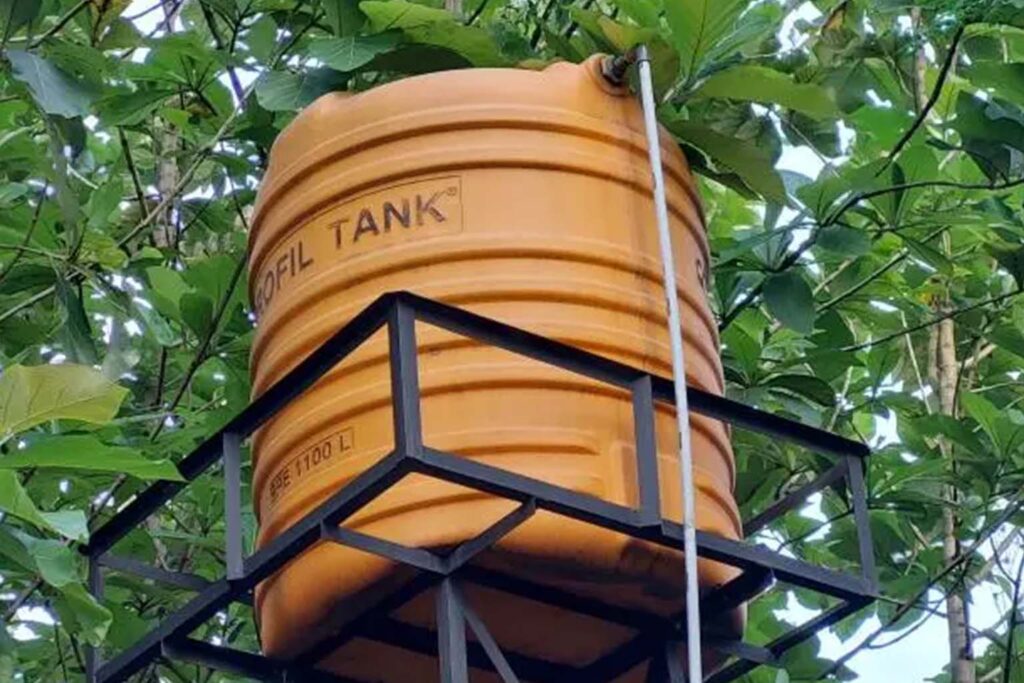
Installing a New Tank
Expansion, well pressure and storage tanks fitted to match your heater, your pump or your household’s daily water use.
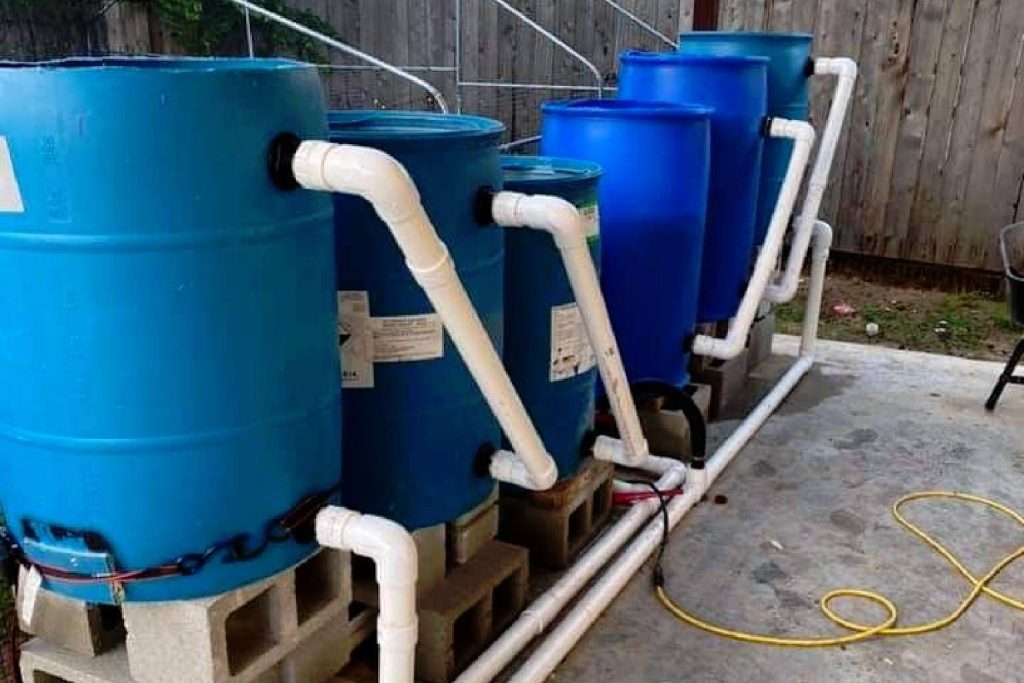
Swapping Out a Tired Tank
Rust, leaks, a waterlogged bladder or a tank too small for the job all point to a swap for the correct size and type.
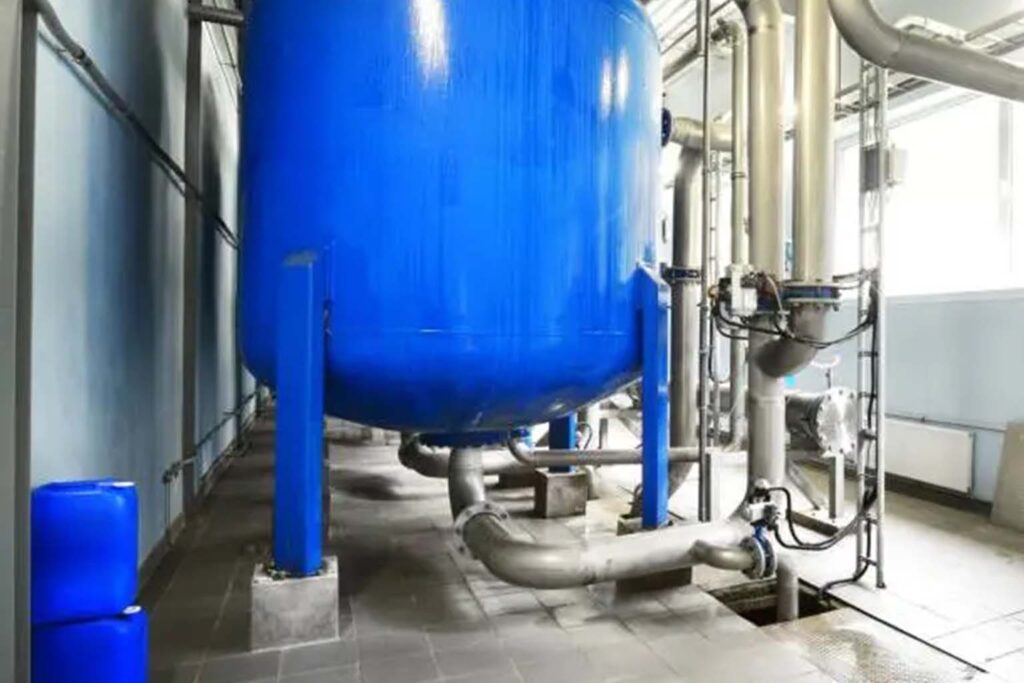
Expansion Tank Checks
Testing and resetting the air charge, swapping out dead tanks, and curing a relief valve that weeps each time the heater fires up.
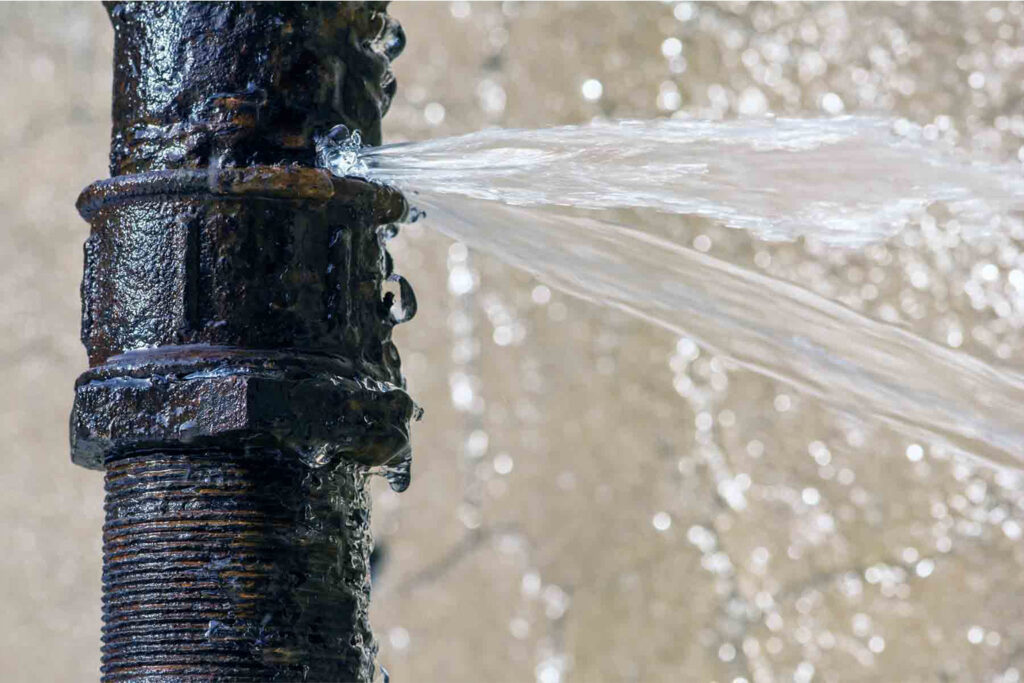
Fixing Leaks
Leaks at the shell, the inlet and outlet joints, fittings or valves get sealed before water reaches floors and walls.
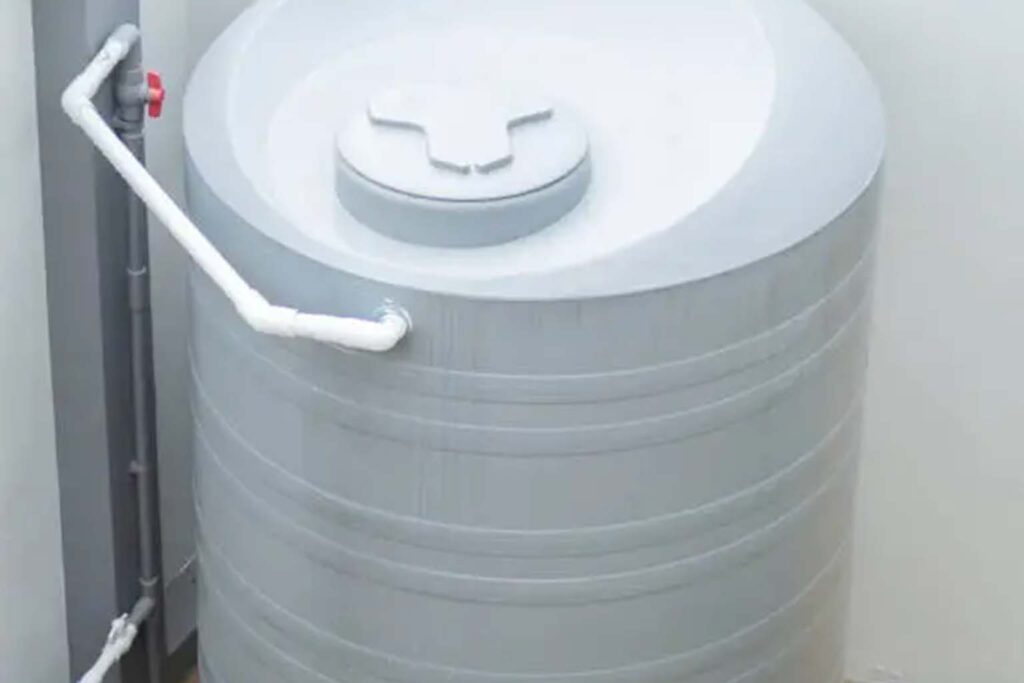
Well Tank Troubleshooting
Sorting out waterlogged tanks, mis-set pressure switches and pumps that short-cycle and wear out long before their time.
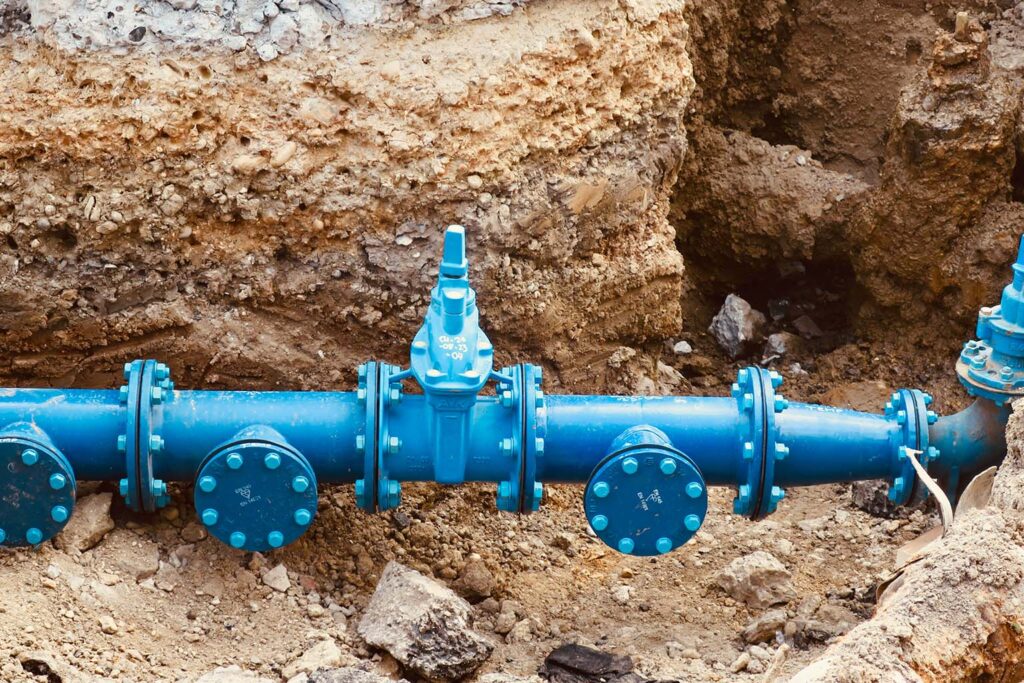
Pipes, Valves and Gauges
Corroded piping, tired shut-off valves, pressure gauges and tank supports can all be renewed.
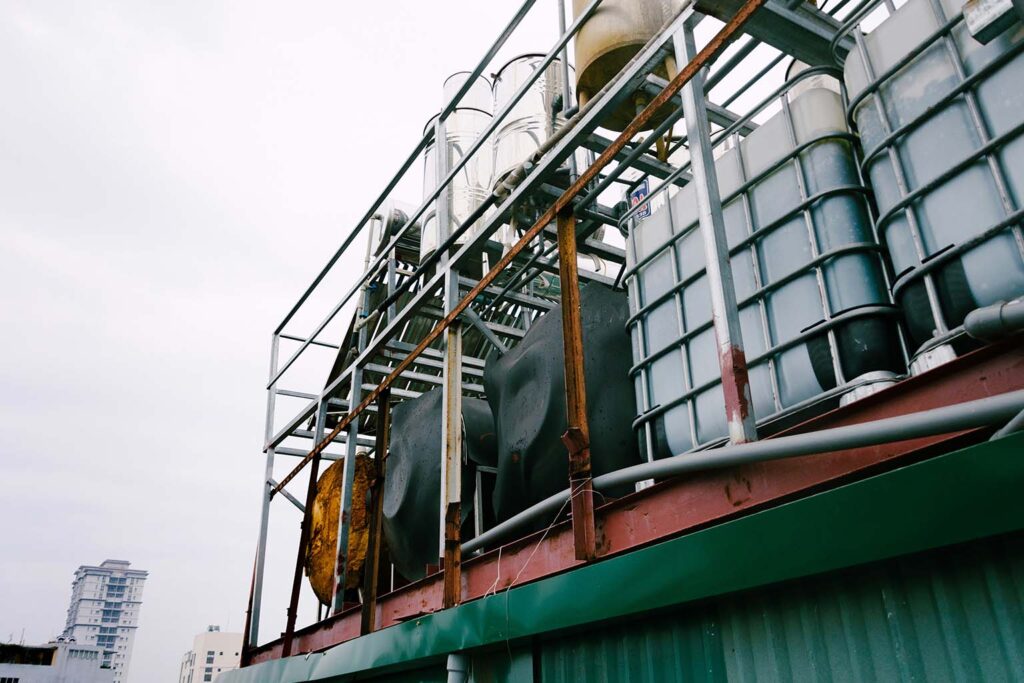
Hooking Up Storage Tanks
Tying backup or rain-harvest tanks into the house plumbing, with the pump, filtration and backflow prevention each one needs.
Our approach
What Lancaster Plumber Brings to Water Tank Jobs

Installed by the Book
Sizing, mounting and connections should follow the maker’s instructions, and ask for the system to be pressure-tested before sign-off.

Close to Home
Homes throughout Lancaster, CA are covered, and a follow-up visit can be booked if you need one.

Root-Cause Repairs
Whether it’s a dead expansion tank or a full well tank swap, the aim is to fix the cause, not the symptom.

Plain Advice
Get help picking the tank size and type that suit your heater, well or storage plans.

Tidy Work Areas
Expect floors to be covered and the work area left every bit as clean as it was found.
A tank problem rarely fixes itself, so plain, specific advice for your system is worth getting early.
Symptoms
Tank Faults That Need Attention
- Drips from tank or fittings
- A relief valve that weeps or spits
- Pressure spiking or sagging at taps
- A well pump that keeps short-cycling
- Rust on the tank shell
- Tanks full of water, no air
- Pipes that knock or hammer
- Expansion tanks too small or dead
- Tanks that lose their pressure
When a tank starts behaving oddly, the cause can be traced and the fault properly put right.
Neighborhoods covered
Where Water Tank Services Reach in Lancaster, CA
Tank work is available in these areas:
Questions homeowners ask
Water Tank Answers
Why fit an expansion tank?
Heating water makes it swell. In a closed system that added volume has no escape, so it pushes pressure up on the pipes, the valves and the heater. An expansion tank holds a pocket of air that soaks up the extra water, keeping pressure even and the relief valve dry between heating cycles.
How can I tell an expansion tank has failed?
Knock on it. A healthy tank rings hollow near the top; a waterlogged one sounds dull from top to bottom. A relief valve that drips, pressure that climbs while the heater runs, or water spitting from the air valve are other giveaways.
What does a failing well pressure tank look like?
The classic symptom is short cycling, where the pump starts and stops every few seconds while a faucet is running. Pulsing flow at the tap, a gauge needle bouncing up and down, or rust and sweat on the tank are other signs.
What makes a heater's relief valve drip?
Pressure building each time the heater fires, usually because the expansion tank is dead or missing, is the common cause. A worn valve can also weep. Get it looked at either way, because the valve is there to stop a dangerous pressure buildup.
How many years will a pressure tank last?
Water quality, pressure settings and pump cycling all play a part; checking the air charge and curing short cycling early help most. NOAA logs about 68 freezing nights a year at Fox Field, so exposed tanks need insulating.
Is replacing a tank a DIY job?
Some people manage it, but it means draining down, setting the air charge to match house pressure and sealing every joint. One slip can flood a utility room or ruin a pump or heater. If you hire it out, check the license with the Contractors State License Board.
How big should an expansion tank be?
That comes down to the heater’s capacity and the pressure in your lines. A plumber measures both and matches the tank to them; too small and pressure still builds, too large and you pay for capacity you don’t use.
Is an expansion tank required on my water heater?
A closed system, one with a check valve or pressure regulator on the main, usually calls for one. The rules sit in the California Plumbing Code, whose 2025 edition took effect January 1, 2026, published by the California Building Standards Commission.
What makes a well pump cycle on and off?
Most often the pressure tank has lost its air charge or its bladder has split, so it can no longer hold water under pressure. A bad pressure switch can do it too. Ignore it and the pump wears itself out far sooner than it should.
What kind of tank suits a typical house?
It varies by use. Expansion tanks guard water heaters on closed systems, bladder pressure tanks pair with private wells, and polyethylene is the usual pick for storage above ground. The right type follows from what the tank will be asked to do.
What decides the cost of a new water tank?
Tank type and size, how hard it is to get to, and whether nearby piping or valves need renewing at the same visit all move the price. Ask for the full price in writing, item by item, before any work begins.
Does a storage tank need a concrete pad?
Not always; a firm, level base is what matters, and an uneven one strains the shell. The City of Lancaster Building and Safety Division exempts a tank on grade of up to 5,000 gallons, no taller than twice its width, from a building permit.